
Chrysocolla
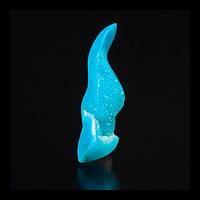
Globe, Globe Hills, Globe Hills Mining District, Globe-Miami Mining District, Gila County, Arizona, USA
19.76 carats
© Palagems
consists of very attractive cabochons of green or blue chrysocolla impregnating either rock crystal or opal. Chrysocolla is often found in a matrix of quartz, in which case the constants may be those of quartz.
Chrysocolla Gemstones by Colour
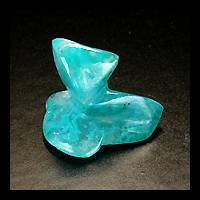
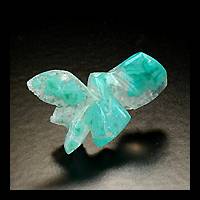
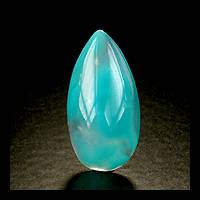
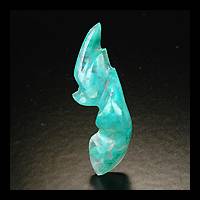
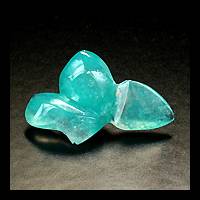
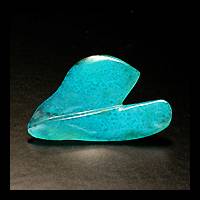
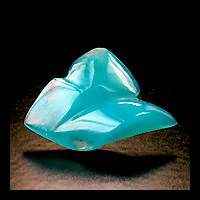
This table shows the variety of hues this gemstone can be found in. Click on a photo for more information.
 |  |
 |  |  |  |  |
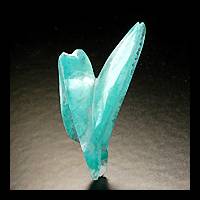 | 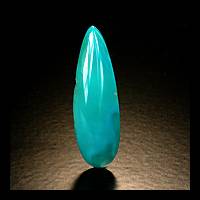 | 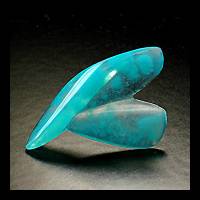 |
| 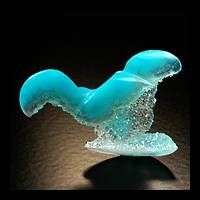 |
Chrysocolla Gemstones by Size
This table shows distribution of Chrysocolla gemstone sizes that are listed on this site. This can give a good indication as to the general availability of this gemstone in different sizes.
Contributed photos
Lightest:3.64 cts
Heaviest:19.76 cts
Average:8.09 cts
Total photos:12
Do you have a larger Chrysocolla? Why not upload a photo?
| General Information | ||||||||||||||||||||||||||
|---|---|---|---|---|---|---|---|---|---|---|---|---|---|---|---|---|---|---|---|---|---|---|---|---|---|---|
| Other Names/Trade Names: | ||||||||||||||||||||||||||
| Chemical Formula |
| |||||||||||||||||||||||||
| Chrysocolla Treatments | ||||||||||||||||||||||||||
| These copper-containing minerals have blue-to-green color and occur together with other copper minerals, as well as in a disseminated form in chalcedony, opal, and quartz (Webster). Dyeing has been used to enhance the color and to make it resemble turquoise or other gemstones – Nassau (1984) | ||||||||||||||||||||||||||
| Physical Properties of Chrysocolla | ||||||||||||||||||||||||||
| Mohs Hardness | 2 to 4, Blue Chart Gem Identification (2010) More from other references | |||||||||||||||||||||||||
| Specific Gravity | 2.00 to 2.45+, Blue Chart Gem Identification (2010) More from other references | |||||||||||||||||||||||||
| Tenacity | Brittle, Gems, Sixth Edition (2006) | |||||||||||||||||||||||||
| Fracture | Conchoidal, Gemstones (2009) | |||||||||||||||||||||||||
| Optical Properties of Chrysocolla | ||||||||||||||||||||||||||
| Refractive Index | 1.575 to 1.635, Gemmological Tables (2004) More from other references | |||||||||||||||||||||||||
| Optical Character | Biaxial/-, Gemmological Tables (2004) | |||||||||||||||||||||||||
| Birefringence | 0.023 to 0.050, Gemmological Tables (2004) | |||||||||||||||||||||||||
| Pleochroism | Weak, Gemstones (2009) | |||||||||||||||||||||||||
| Colour | ||||||||||||||||||||||||||
| Colour (General) | Sky blue, turquoise blue, blue-green, brown, black, Gemmological Tables (2004) More from other references | |||||||||||||||||||||||||
| Causes of Colour | Blue, Cu2+ in octahedral coordination, Pragmatic Spectroscopy For Gemologists (2011) | |||||||||||||||||||||||||
| Transparency | Opaque, Gemmological Tables (2004) More from other references | |||||||||||||||||||||||||
| Lustre | Vitreous,Waxy, Gemstones (2009) | |||||||||||||||||||||||||
| Crystallography of Chrysocolla | ||||||||||||||||||||||||||
| Crystal System | Monoclinic, Gemmological Tables (2004) More from other references | |||||||||||||||||||||||||
| Habit | Botryoidal, massive, Gemstones (2009) | |||||||||||||||||||||||||
| Geological Environment | ||||||||||||||||||||||||||
| Where found: | Chrysocolla is a mineral of secondary origin occurring in the oxidized zones of copper deposits where it may be mixed with malachite or turquoise, Gems, Sixth Edition (2006) | |||||||||||||||||||||||||
| Inclusions in Chrysocolla | ||||||||||||||||||||||||||
| Common intergrown with chalcedony, malachite and others - Gemmological Tables, Ulrich Henn and Claudio C. Milisenda, 2004, p 12 | ||||||||||||||||||||||||||
| Further Information | ||||||||||||||||||||||||||
| Mineral information: | Chrysocolla information at mindat.org | |||||||||||||||||||||||||
| Significant Gem Localities | ||||||||||||||||||||||||||
| ||||||||||||||||||||||||||