
Diamond
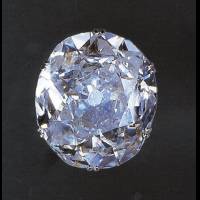
105 carats
The hardness of diamond and its high dispersion of light – giving the diamond its characteristic "fire" – make it useful for industrial applications and desirable as jewellery.
Perhaps the most famous use of the diamond in jewellery is in engagement rings, which became popular in the early to mid 20th century due to an advertising campaign by the De Beers company, though diamond rings have been used to symbolize engagements since at least the 15th century.
Diamond Gemstones by Colour
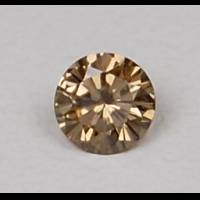
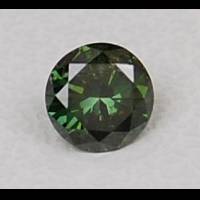
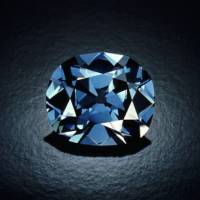
This table shows the variety of hues this gemstone can be found in. Click on a photo for more information.
 |
 |
 |
|
Diamond Gemstones by Size
This table shows distribution of Diamond gemstone sizes that are listed on this site. This can give a good indication as to the general availability of this gemstone in different sizes.
Contributed photos
Lightest:0.30 cts
Heaviest:105 cts
Average:37.83 cts
Total photos:4
Do you have a larger Diamond? Why not upload a photo?
Significant stones
Cullinan I (Star of Africa)530 cts
Orlov Diamond190 cts
Ahmed-Abad157 cts
Florentine137 cts
Tiffany (Yellow)129 cts
| General Information | ||||||||||||||||||||||||||||||||||||||||||||||
|---|---|---|---|---|---|---|---|---|---|---|---|---|---|---|---|---|---|---|---|---|---|---|---|---|---|---|---|---|---|---|---|---|---|---|---|---|---|---|---|---|---|---|---|---|---|---|
| Chemical Formula |
| |||||||||||||||||||||||||||||||||||||||||||||
| Significant stones | ||||||||||||||||||||||||||||||||||||||||||||||
| ||||||||||||||||||||||||||||||||||||||||||||||
| Diamond Treatments | ||||||||||||||||||||||||||||||||||||||||||||||
| The irradiation of a type Ia diamond, followed by heating at 800°C, resulted in diamonds having a yellow or orange colour. This treatment is easily detected because an absorption line is also produced between 594 and 595 nm; this absorption is very rarely seen in a faceted natural fancy-coloured diamond. With a type Ib diamond, either natural or synthetic HPHT, irradiation followed by annealing produces a treated pink diamond. Radiation Followed by High Temperature (c.1400 °C) can give the diamond an attractive green colour. A tinted yellow (cape) diamond could be given a fancy canary yellow colour by HPHT processing.Following this processing, it is possible to subject the diamond to irradiation and annealing at 800 °C. It gives the diamond a pink or mauve colour. | ||||||||||||||||||||||||||||||||||||||||||||||
| Diamond Simulants | ||||||||||||||||||||||||||||||||||||||||||||||
| Strontium titanate is an artificial gemstone that has been used as a diamond simulant. | ||||||||||||||||||||||||||||||||||||||||||||||
| Synthetic Diamond | ||||||||||||||||||||||||||||||||||||||||||||||
| Synthetic diamond: Colourless, yellow, brown, green, blue, red, pink; Transparent; Hardness 10; RI 2.417; Opt. isotropic; SG 3.52; Perfect cleavage; Fluorescence: SW - distinct yellow, yellowish-green or whitish-yellow; Inclusions: metallic residues (partly magnetic), internal growth and colour zoning - Gemmological Tables, Ulrich Henn and Claudio C. Milisenda, 2004, p 31 | ||||||||||||||||||||||||||||||||||||||||||||||
| Physical Properties of Diamond | ||||||||||||||||||||||||||||||||||||||||||||||
| Mohs Hardness | 10, Blue Chart Gem Identification (2010) More from other references | |||||||||||||||||||||||||||||||||||||||||||||
| Specific Gravity | 3.50 to 3.53, Gemstones of the world (2001) More from other references | |||||||||||||||||||||||||||||||||||||||||||||
| Cleavage Quality | Perfect, Gemmological Tables (2004) More from other references | |||||||||||||||||||||||||||||||||||||||||||||
| Fracture | Conchoidal,Splintery, Gemstones of the world (2001) More from other references | |||||||||||||||||||||||||||||||||||||||||||||
| Heat Sensitivity | High temperatures can induce etchings on the facets. Therefore special care must be taken during soldering!, Gemstones of the world (2001) | |||||||||||||||||||||||||||||||||||||||||||||
| Refractive Index | 2.417 to 2.419, Gemstones of the world (2001) More from other references | |||||||||||||||||||||||||||||||||||||||||||||
| Optical Character | Isotropic, Blue Chart Gem Identification (2010) Anomalous double refractionMore from other references | |||||||||||||||||||||||||||||||||||||||||||||
| Pleochroism | None, Gemstones of the world (2001) | |||||||||||||||||||||||||||||||||||||||||||||
| Dispersion | ||||||||||||||||||||||||||||||||||||||||||||||

