
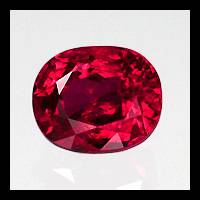
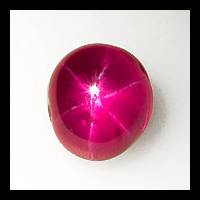
Ruby
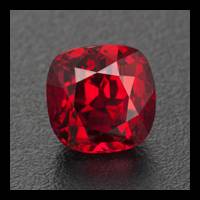
Mozambique
3.59 carats
© Palagems
Ruby Gemstones by Colour
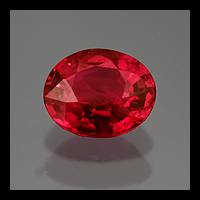
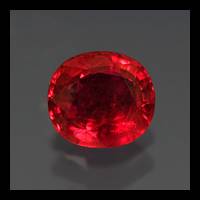
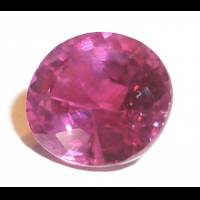
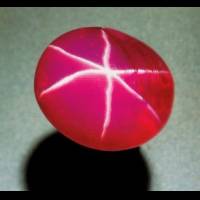
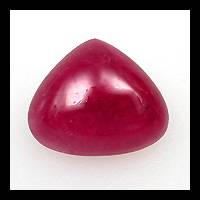
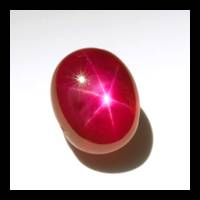
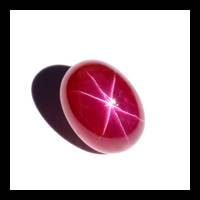
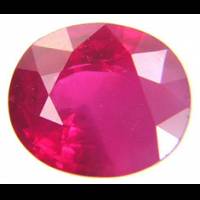
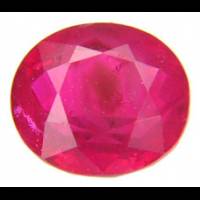
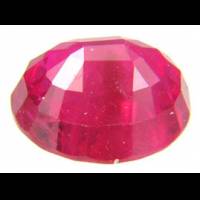
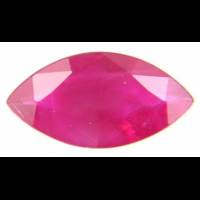
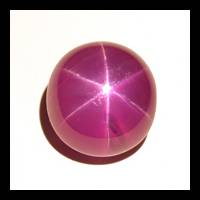
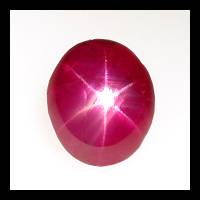
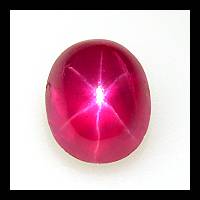
This table shows the variety of hues this gemstone can be found in. Click on a photo for more information.
|  |  |
 |
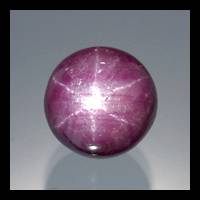 | 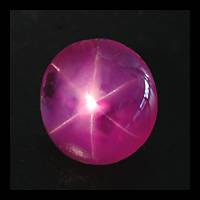 | 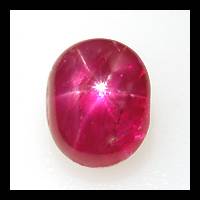 |
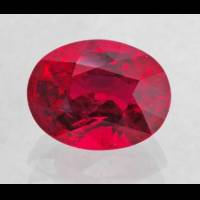 |  |  |  |  |  |  |  |  |  |  |  |  |  |
Ruby Gemstones by Size
This table shows distribution of Ruby gemstone sizes that are listed on this site. This can give a good indication as to the general availability of this gemstone in different sizes.
Contributed photos
Lightest:1.02 cts
Heaviest:100.32 cts
Average:8.63 cts
Total photos:21
Do you have a larger Ruby? Why not upload a photo?
Significant stones
Ecce Homo Star Ruby2,890 cts
Edwardes Ruby167 cts
Rosser Reeves Star Ruby139 cts
Anne of Brittany's105 cts
| General Information | ||||||||||||||||||||||||||||||||||||||||||||||
|---|---|---|---|---|---|---|---|---|---|---|---|---|---|---|---|---|---|---|---|---|---|---|---|---|---|---|---|---|---|---|---|---|---|---|---|---|---|---|---|---|---|---|---|---|---|---|
| A variety or type of: | Corundum | |||||||||||||||||||||||||||||||||||||||||||||
| Varieties/Types: | Star Ruby - A chatoyant ruby showing asterism. | |||||||||||||||||||||||||||||||||||||||||||||
| Chemical Formula |
| |||||||||||||||||||||||||||||||||||||||||||||
| Significant stones | ||||||||||||||||||||||||||||||||||||||||||||||
| ||||||||||||||||||||||||||||||||||||||||||||||
| Ruby Treatments | ||||||||||||||||||||||||||||||||||||||||||||||
| Heat-treatment may create a superficial chalky-blue reaction. May be dyed (especially cabochons): color concentration in cracks. Acetone test. Diffusion: may show orangy color concentration/rim under surface. May show blue haloes/spots (internal diffusion). May be surface diffused (chromium): rare. Glass filling: rounded and flattened gas bubbles, glassy residues. Reflecting light: filled cracks may show a distint surface luster. Lead-glass (and some other high refractive glasses) may be revealed by bluish to orangy flashes seen when looking parallel to filled cracks, using dark-field or fiber-optic light. Some glass-filled rubies may not show colored flashes nor show obvious gas bubbles. Sensitive to solvents - Blue Chart Gem Identification, Herve Nicolas Lazzarelli, 2010, p. 2 | ||||||||||||||||||||||||||||||||||||||||||||||
| Ruby Simulants | ||||||||||||||||||||||||||||||||||||||||||||||
| Imitation rubies are also marketed. Red spinels, red garnets, and colored glass have been falsely claimed to be rubies. Imitations go back to Roman times and already in the 17th century techniques were developed to color foil red—by burning scarlet wool in the bottom part of the furnace—which was then placed under the imitation stone. | ||||||||||||||||||||||||||||||||||||||||||||||
| Synthetic Ruby | ||||||||||||||||||||||||||||||||||||||||||||||
| In 1837 Gaudin made the first synthetic rubies by fusing potash alum at a high temperature with a little chromium as a pigment. In 1847 Ebelmen made white sapphire by fusing alumina in boric acid. In 1877 Frenic and Freil made crystal corundum from which small stones could be cut. Frimy and Auguste Verneuil manufactured artificial ruby by fusing BaF2 and Al2O3 with a little Chromium at red heat. In 1903 Verneuil announced he could produce synthetic rubies on a commercial scale using this flame fusion process. By 1910, Verneuil's laboratory had expanded into a 30 furnace production facility, with annual gemstone production having reached 1,000 kg (2,205 lb) in 1907. Other processes in which synthetic rubies can be produced are through the Czochralski's Pulling process, flux process, and the hydrothermal process. Most synthetic rubies originate from flame fusion, due to the low costs involved. Synthetic rubies may have no imperfections visible to the naked eye but magnification may reveal curves, striae and gas bubbles. The fewer the number and the less obvious the imperfections, the more valuable the ruby is; unless there are no imperfections (i.e., a "perfect" ruby), in which case it will be suspected of being artificial. Dopants are added to some manufactured rubies so they can be identified as synthetic, but most need gemological testing to determine their origin. Synthetic rubies are used for watches and bearings, formerly the most important technical application for natural stones. - Gemstones of the world, Walter Schumann, 2001, p 82 | ||||||||||||||||||||||||||||||||||||||||||||||
| Physical Properties of Ruby | ||||||||||||||||||||||||||||||||||||||||||||||
| Mohs Hardness | 9, Blue Chart Gem Identification (2010) More from other references | |||||||||||||||||||||||||||||||||||||||||||||
| Specific Gravity | 3.97 to 4.05, Gemstones of the world (2001) More from other references | |||||||||||||||||||||||||||||||||||||||||||||
| Tenacity | Brittle, Gems, Sixth Edition (2006) | |||||||||||||||||||||||||||||||||||||||||||||
| Cleavage Quality | None, Gems, Sixth Edition (2006) | |||||||||||||||||||||||||||||||||||||||||||||
| Fracture | Conchoidal,Splintery, Gemstones of the world (2001) Small conchoidalMore from other references | |||||||||||||||||||||||||||||||||||||||||||||
| Refractive Index | 1.762 to 1.778, Gemstones of the world (2001) More from other references | |||||||||||||||||||||||||||||||||||||||||||||
| Optical Character | ||||||||||||||||||||||||||||||||||||||||||||||

