
Vesuvianite Gemstones by Colour
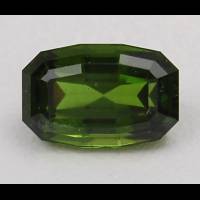
This table shows the variety of hues this gemstone can be found in. Click on a photo for more information.
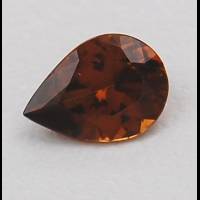 |
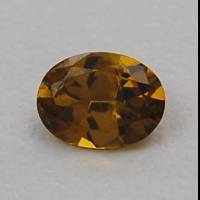 |
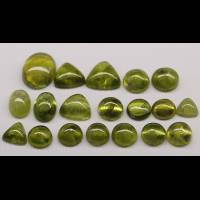 |
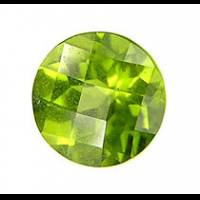 |
 |
Vesuvianite Gemstones by Size
This table shows distribution of Vesuvianite gemstone sizes that are listed on this site. This can give a good indication as to the general availability of this gemstone in different sizes.
Contributed photos
Lightest:0.47 cts
Heaviest: 8.27 cts
Average:2.90 cts
Total photos:5
Do you have a larger Vesuvianite? Why not upload a photo?
| General Information | ||||||||||||||||||||||||||||||||||||||
|---|---|---|---|---|---|---|---|---|---|---|---|---|---|---|---|---|---|---|---|---|---|---|---|---|---|---|---|---|---|---|---|---|---|---|---|---|---|---|
| Varieties/Types: | Californite - A compact green jade-like variety of vesuvianite. Cyprine (of Berzelius) - A blue variety of vesuvianite coloured by traces of copper. | |||||||||||||||||||||||||||||||||||||
| Other Names/Trade Names: | ||||||||||||||||||||||||||||||||||||||
| Chemical Formula |
| |||||||||||||||||||||||||||||||||||||
| Physical Properties of Vesuvianite | ||||||||||||||||||||||||||||||||||||||
| Mohs Hardness | 6.5, Gemmological Tables (2004) More from other references | |||||||||||||||||||||||||||||||||||||
| Specific Gravity | 3.30 to 3.50, Gemmological Tables (2004) More from other references | |||||||||||||||||||||||||||||||||||||
| Tenacity | Brittle, Handbook of mineralogy (2001) | |||||||||||||||||||||||||||||||||||||
| Cleavage Quality | Perfect, Gemmological Tables (2004) More from other references | |||||||||||||||||||||||||||||||||||||
| Fracture | Irregular,Sub-Conchoidal, Handbook of mineralogy (2001) | |||||||||||||||||||||||||||||||||||||
| Optical Properties of Vesuvianite | ||||||||||||||||||||||||||||||||||||||
| Refractive Index | 1.698 to 1.723, Gemmological Tables (2004) More from other references | |||||||||||||||||||||||||||||||||||||
| Optical Character | Uniaxial/-, Gemmological Tables (2004) More from other references | |||||||||||||||||||||||||||||||||||||
| Birefringence | 0.001 to 0.012, Gemmological Tables (2004) More from other references | |||||||||||||||||||||||||||||||||||||
| Pleochroism | Orange/brown vesuvianite - weak: light body color - dark body color; Green - weak: yellow-green - yellow-brown; Yellow - weak: colorless - yellow, Blue Chart Gem Identification (2010) | |||||||||||||||||||||||||||||||||||||
| Dispersion | Strong, Handbook of mineralogy (2001) | |||||||||||||||||||||||||||||||||||||
| Chatoyancy | Rare, Blue Chart Gem Identification (2010) | |||||||||||||||||||||||||||||||||||||
| Colour | ||||||||||||||||||||||||||||||||||||||
| Colour (General) | Yellowish-green, green, yellowish-brown, violet, Gemmological Tables (2004) More from other references | |||||||||||||||||||||||||||||||||||||
| Causes of Colour | Green, Fe3+ in octahedral coordination; with possible influence of Fe2+→Fe3+ charge transfer. Yellow, O2-→Fe2+ charge transfer. Brown, Fe2+→Ti4+ charge transfer, Pragmatic Spectroscopy For Gemologists (2011) | |||||||||||||||||||||||||||||||||||||
| Transparency | Transparent, Gemmological Tables (2004) More from other references | |||||||||||||||||||||||||||||||||||||
| Lustre | Vitreous,Resinous, Handbook of mineralogy (2001) | |||||||||||||||||||||||||||||||||||||
| Crystallography of Vesuvianite | ||||||||||||||||||||||||||||||||||||||
| Crystal System | Tetragonal, Blue Chart Gem Identification (2010) More from other references | |||||||||||||||||||||||||||||||||||||
| Habit | Prismantic, Gems, Sixth Edition (2006) More from other references | |||||||||||||||||||||||||||||||||||||
| Geological Environment | ||||||||||||||||||||||||||||||||||||||
| Where found: | Vesuvianite occurs in skarns formed during contact or regional metamorphism of limestones in serpentines and ultramafic rock, Gems, Sixth Edition (2006) More from other references | |||||||||||||||||||||||||||||||||||||
| Inclusions in Vesuvianite | ||||||||||||||||||||||||||||||||||||||
| Swirly appearance, rounded crystal inclusions, healing planes - Gemmological Tables, Ulrich Henn and Claudio C. Milisenda, 2004, p 20 | ||||||||||||||||||||||||||||||||||||||
| Further Information | ||||||||||||||||||||||||||||||||||||||
| Mineral information: | Vesuvianite information at mindat.org | |||||||||||||||||||||||||||||||||||||
| Significant Gem Localities | ||||||||||||||||||||||||||||||||||||||
| ||||||||||||||||||||||||||||||||||||||