
Lapis lazuli
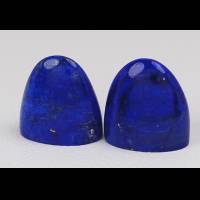
Afghanistan
15.19 carats
© Rarestone.com
It has a very distinctive blue colour (due to the Lazurite). Too much pyrite causes a dull, greenish tint. In the best-quality specimens, the colour is evenly distributed, but in general it is spotty or striated.
As well as use in carvings and gems, it has been used for millennia as a blue pigment when ground to a fine powder (known as ultramarine).
Lapis lazuli Gemstones by Colour
This table shows the variety of hues this gemstone can be found in. Click on a photo for more information.
|
| General Information | |||||||||||||||||||||||||||||||||||||||||||||||||||
|---|---|---|---|---|---|---|---|---|---|---|---|---|---|---|---|---|---|---|---|---|---|---|---|---|---|---|---|---|---|---|---|---|---|---|---|---|---|---|---|---|---|---|---|---|---|---|---|---|---|---|---|
| A variety or type of: | Lazurite | ||||||||||||||||||||||||||||||||||||||||||||||||||
| Chemical Formula |
| ||||||||||||||||||||||||||||||||||||||||||||||||||
| Lapis lazuli Treatments | |||||||||||||||||||||||||||||||||||||||||||||||||||
| Heating to red heat has been reported (Bauer, 1968) to intensify the color of some pale blue lapis lazuli to yield a fine, dark blue, but this may produce an unattractive greenish blue in some specimens. Dyeing, often using aniline dyes, is frequently practiced to improve the color of lapis lazuli, although even almost colorless material has been so treated (Crowningshield, 1967). Coloring for the disguising of white calcite inclusions is also done. Localization of the color in cracks can usually be seen, and a cotton swab soaked in acetone or nailpolish remover usually reveals the dye. This may not work, however, if a colorless wax has been used as a final step, in which case it must first be rubbed off (Crowningshield, 1968; Fryer, 1981); the wax is revealed by a hot-point examination. The colorless wax is apparently intended to hide cracks, improve the surface polish, as well as to prevent the dye from rubbing off onto clothes or skin. The use of colored waxes (including blue shoe paste!) has also been reported (Crowningshield, 1965) – Nassau (1984) Often impregnated with wax or oil. Dyed: Calcite masked. Streak: dark blue (if not coated). Diluted acid test (acetone usually not conclusive) - Blue Chart Gem Identification, Herve Nicolas Lazzarelli, 2010, p 8 | |||||||||||||||||||||||||||||||||||||||||||||||||||
| Lapis lazuli Simulants | |||||||||||||||||||||||||||||||||||||||||||||||||||
| Common imitations: dyed magnesite, dyed jasper, dyed howlite, sodalite - Blue Chart Gem Identification, Herve Nicolas Lazzarelli, 2010, p 8 | |||||||||||||||||||||||||||||||||||||||||||||||||||
| Physical Properties of Lapis lazuli | |||||||||||||||||||||||||||||||||||||||||||||||||||
| Mohs Hardness | 5.5, Blue Chart Gem Identification (2010) More from other references | ||||||||||||||||||||||||||||||||||||||||||||||||||
| Specific Gravity | 2.50 to 3.00, Blue Chart Gem Identification (2010) More from other references | ||||||||||||||||||||||||||||||||||||||||||||||||||
| Cleavage Quality | Indistinct, Gemstones of the world (2001) | ||||||||||||||||||||||||||||||||||||||||||||||||||
| Fracture | Conchoidal, Gemstones of the world (2001) | ||||||||||||||||||||||||||||||||||||||||||||||||||
| Optical Properties of Lapis lazuli | |||||||||||||||||||||||||||||||||||||||||||||||||||
| Refractive Index | 1.500 to 1.670, Blue Chart Gem Identification (2010) More from other references | ||||||||||||||||||||||||||||||||||||||||||||||||||
| Birefringence | None, Gemstones of the world (2001) | ||||||||||||||||||||||||||||||||||||||||||||||||||
| Pleochroism | Absent, Gemstones of the world (2001) | ||||||||||||||||||||||||||||||||||||||||||||||||||
| Dispersion | None, Gemstones of the world (2001) | ||||||||||||||||||||||||||||||||||||||||||||||||||
| Colour | |||||||||||||||||||||||||||||||||||||||||||||||||||
| Colour (General) | Lazur blue, violet, greenish-blue, Gemstones of the world (2001) More from other references | ||||||||||||||||||||||||||||||||||||||||||||||||||
| Transparency | Opaque, Gemstones of the world (2001) | ||||||||||||||||||||||||||||||||||||||||||||||||||
| Lustre | Vitreous,Greasy, Gemstones of the world (2001) | ||||||||||||||||||||||||||||||||||||||||||||||||||
| Fluorescence & other light emissions | |||||||||||||||||||||||||||||||||||||||||||||||||||
| Fluorescence (General) | Strong: white, also orange, copper-coloured, Gemstones of the world (2001) | ||||||||||||||||||||||||||||||||||||||||||||||||||
| Fluorescence (Short Wave UV) | May show a pinkish response, Gems, Sixth Edition (2006) | ||||||||||||||||||||||||||||||||||||||||||||||||||
| Fluorescence (Long-Wave UV) | Orangy to pinkish spots (calcite), Blue Chart Gem Identification (2010) More from other references | ||||||||||||||||||||||||||||||||||||||||||||||||||
| Crystallography of Lapis lazuli | |||||||||||||||||||||||||||||||||||||||||||||||||||
| Crystal System | Isometric, Gemstones of the world (2001) | ||||||||||||||||||||||||||||||||||||||||||||||||||
| Habit | Rare; dense aggregates, Gemstones of the world (2001) | ||||||||||||||||||||||||||||||||||||||||||||||||||
| Geological Environment | |||||||||||||||||||||||||||||||||||||||||||||||||||
| Where found: | Occurs mainly in association with leucite or nepheline in nepheline syenites, phonolites and related undersaturated igneous rocks., Gems, Sixth Edition (2006) | ||||||||||||||||||||||||||||||||||||||||||||||||||
| Inclusions in Lapis lazuli | |||||||||||||||||||||||||||||||||||||||||||||||||||
| Pyrite inclusions, spots and veins of calcite - Blue Chart Gem Identification, Herve Nicolas Lazzarelli, 2010, p 8 | |||||||||||||||||||||||||||||||||||||||||||||||||||
| Further Information | |||||||||||||||||||||||||||||||||||||||||||||||||||
| Mineral information: | Lapis lazuli information at mindat.org | ||||||||||||||||||||||||||||||||||||||||||||||||||
| Significant Gem Localities | |||||||||||||||||||||||||||||||||||||||||||||||||||
| |||||||||||||||||||||||||||||||||||||||||||||||||||